How Acupuncture and Movement Transformed My Recovery—And Can Help Yours
Chronic pain used to dictate my days—until I combined acupuncture with targeted exercise techniques. This isn’t a miracle cure, but a proven, science-backed approach I experienced firsthand. As someone who’s been through rehabilitation, I’ve learned that healing isn’t just about treatment, but integration. When needles meet motion, the body often responds in surprising ways. This article explores how these methods work together, what to expect, and practical steps you can take—always under professional guidance. The journey from persistent discomfort to renewed function is rarely linear, but with the right support and understanding, improvement is not only possible, it’s achievable for many.
The Breaking Point: When Pain Became Impossible to Ignore
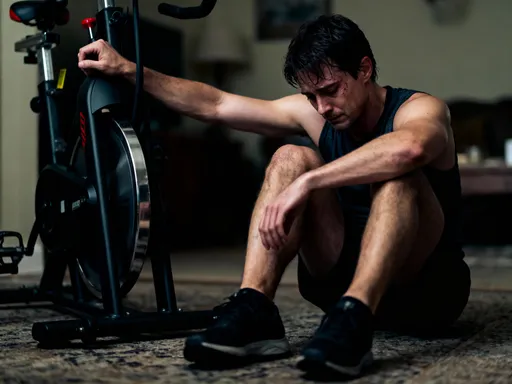
For years, the discomfort was easy to dismiss. It started as a dull ache after long days of repetitive tasks—perhaps from household chores, gardening, or extended periods at the kitchen counter. At first, it felt like ordinary fatigue, the kind that eases with rest. But over time, the relief became shorter, the pain more persistent. Simple movements—bending to pick up a grocery bag, reaching for a high shelf, or even standing from a seated position—began to require hesitation, sometimes a wince. What was once background noise grew into a constant companion, shaping decisions and limiting choices.
Sleep suffered next. Lying in bed, the tension in certain areas made it difficult to find a comfortable position. Nights became fragmented, and mornings arrived with stiffness instead of refreshment. Concentration during daily routines faltered. Tasks that used to feel automatic now demanded focus and effort. The emotional toll followed quietly but steadily—irritability, a sense of isolation, and a growing frustration at feeling trapped in a body that no longer responded as expected. It wasn’t dramatic, but the cumulative effect eroded confidence and well-being.
The turning point came not from a single event, but from a realization: waiting for the pain to resolve on its own was no longer a strategy. Over-the-counter remedies offered only temporary relief, and prolonged rest seemed to make things worse. There had to be another way—one that addressed the root of the issue rather than merely masking symptoms. That’s when the idea of integrative rehabilitation emerged: a coordinated approach that combined hands-on therapy, movement, and complementary techniques, all guided by trained professionals.
Discovering Acupuncture: More Than Just Needles
The first visit to a licensed acupuncturist was met with equal parts curiosity and hesitation. The room was quiet, softly lit, with a calm atmosphere that immediately eased some of the tension. The practitioner listened attentively, asking detailed questions about daily habits, sleep patterns, and the nature of the discomfort. This wasn’t a rushed consultation—it felt like a genuine effort to understand the whole picture, not just the painful area. There was no judgment, only a professional commitment to identifying patterns and offering support.
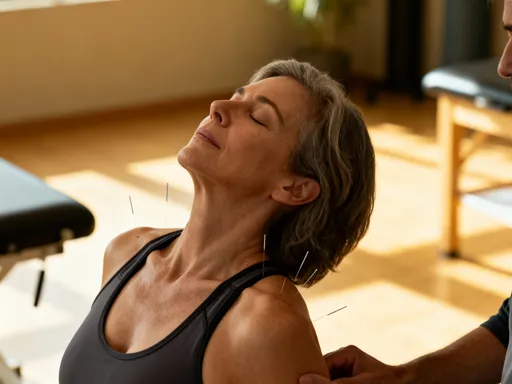
When the needles were introduced, the sensation was not what had been imagined. There was no sharp pain—only a brief, mild pressure or a slight tingling at certain points. The needles were extremely thin, and their placement was precise, based on established anatomical landmarks and clinical assessment. After insertion, the practitioner stepped out, leaving space for quiet relaxation. Lying there, a subtle shift became noticeable—not a dramatic change, but a softening in areas that had been tightly guarded for months.
From a scientific perspective, acupuncture is understood to influence the body’s nervous system, helping to modulate pain signals and promote natural pain-relieving mechanisms. It does not erase injury or reverse structural changes, but it can reduce muscle tension, improve local circulation, and support the body’s self-regulation. Research has shown that acupuncture can stimulate the release of endorphins and influence how the brain processes pain, making it a valuable component of a broader rehabilitation plan. It is not a mystical practice, but a technique with measurable physiological effects when applied correctly by trained professionals.
Why Exercise Is Non-Negotiable in Recovery
One of the most counterintuitive truths in rehabilitation is that movement is essential—even when pain suggests the opposite. The instinct to rest and avoid activity is understandable, but prolonged inactivity often leads to further complications. Muscles weaken, joints stiffen, and the body begins to lose its functional capacity. This process, known as deconditioning, can extend recovery time significantly and make returning to normal activities more difficult. The body thrives on movement; without it, systems begin to slow down in ways that hinder healing.
Controlled, therapeutic exercise plays a critical role in tissue repair. When applied appropriately, movement increases blood flow to affected areas, delivering oxygen and nutrients necessary for recovery. It also helps to remodel scar tissue, maintain joint range of motion, and retrain neuromuscular pathways—the communication lines between the brain and muscles. These benefits are not theoretical; they are well-documented in rehabilitation science. Exercise is not about pushing through pain, but about stimulating the body’s natural repair mechanisms in a safe, progressive manner.
Equally important is the psychological impact of regaining movement. Each small improvement—a deeper stretch, a longer walk, less hesitation when standing—builds confidence. It shifts the narrative from helplessness to agency. When guided by a qualified professional, exercise becomes a form of self-care, a daily commitment to healing rather than a source of fear. Avoiding movement out of concern for pain may feel protective in the short term, but it often prolongs discomfort in the long run. The key is not to eliminate activity, but to re-engage with it intelligently and safely.
The Synergy Effect: How Acupuncture Enhances Exercise Outcomes
What makes the combination of acupuncture and movement particularly effective is the way they support each other. Acupuncture can create a temporary but meaningful reduction in muscle tension and pain sensitivity, essentially lowering the body’s defensive response. This creates what rehabilitation specialists often call a “window of opportunity”—a period after treatment when the nervous system is calmer, and the body is more receptive to movement. During this time, exercises that once felt difficult or painful can be performed with greater ease and improved form.
For example, someone struggling with limited shoulder mobility due to chronic tension may find that after an acupuncture session, they can raise their arm higher with less discomfort. This isn’t because the underlying issue has been resolved, but because the immediate barriers—muscle guarding and pain inhibition—have been temporarily reduced. This allows for more effective neuromuscular re-education, where the brain and muscles relearn proper movement patterns. Over time, these improved experiences accumulate, leading to lasting functional gains.
The synergy also supports consistency. When exercise feels less daunting, adherence improves. People are more likely to continue a program when they experience progress and reduced discomfort. Acupuncture, in this context, is not a replacement for exercise but a facilitator—one that helps individuals engage more fully in their rehabilitation. Clinical observations and patient reports consistently show that those who combine both approaches often report faster improvements in range of motion, reduced reliance on pain medication, and greater satisfaction with their recovery process.
Practical Movement Techniques Used in Rehabilitation
Effective rehabilitation relies on specific, low-impact movement strategies designed to restore function without aggravating symptoms. One foundational technique is diaphragmatic breathing—a method that engages the deep abdominal and respiratory muscles to promote relaxation and improve oxygen delivery. This type of breathing helps calm the nervous system, which in turn reduces muscle tension and supports pain modulation. It may seem simple, but when practiced regularly, it can have a profound effect on overall comfort and movement efficiency.
Another key approach is neuromuscular re-education, which focuses on retraining the brain’s control over muscle activation. After periods of pain or inactivity, muscles often “forget” how to fire correctly, leading to imbalances and inefficient movement patterns. Through guided exercises—such as slow, controlled limb movements or balance drills—the nervous system relearns proper coordination. This is especially important for regaining stability and preventing compensatory habits that can lead to further strain.
Proprioceptive training is also essential. Proprioception refers to the body’s ability to sense its position in space—something that can diminish with injury or disuse. Simple exercises like standing on one leg, using a foam pad, or tracking hand movements with the eyes help restore this internal awareness. These techniques are not strenuous, but they are highly effective in rebuilding confidence in movement and reducing the risk of re-injury. Each of these methods is tailored to the individual, ensuring that the program aligns with current abilities and recovery goals.
What to Expect: A Realistic Timeline and Process
Rehabilitation is a process, not an event, and progress varies from person to person. A typical journey begins with the early phase, focused on pain modulation and reducing inflammation. During this stage, treatments like acupuncture, gentle mobilization, and breathing techniques help create a more favorable environment for healing. The goal is not to eliminate pain immediately, but to reduce its intensity and frequency, making daily life more manageable.
The mid-phase shifts toward restoring mobility and re-establishing movement patterns. This is when neuromuscular re-education and proprioceptive training become central. Range of motion gradually improves, and functional tasks—such as walking, reaching, or bending—are reintroduced in a controlled way. Progress may feel slow, with occasional setbacks, but consistency is key. Small improvements compound over time, leading to meaningful gains in function and confidence.
The late phase emphasizes functional strength and endurance. Exercises become more dynamic, preparing the body for everyday demands. The focus is on sustainability—building a routine that supports long-term well-being. It’s important to recognize that recovery is not always linear. Some days will feel better than others, and flare-ups can occur, especially during periods of increased activity or stress. These are normal parts of the process, not signs of failure. With ongoing support and adherence to professional guidance, most individuals experience significant improvement over several weeks to months.
Working With Professionals: Why Guidance Matters
One of the most critical aspects of successful rehabilitation is working with qualified professionals. Licensed acupuncturists, physical therapists, and rehabilitation specialists bring expertise, experience, and objective assessment to the process. They can identify underlying patterns, design individualized programs, and adjust treatment based on progress. Self-diagnosis or following generic exercise routines from online sources carries risks—what works for one person may not be appropriate for another and could potentially worsen symptoms.
Professional guidance also ensures safety. A trained practitioner can distinguish between normal discomfort and warning signs that require modification. They understand how to pace treatment, avoid overloading tissues, and integrate different modalities effectively. This level of oversight is especially important when combining approaches like acupuncture and exercise, where timing and technique influence outcomes. Attempting to replicate these methods without supervision may lead to frustration or injury.
Open communication with healthcare providers is equally vital. Sharing concerns, tracking symptoms, and discussing goals allows for a collaborative approach. Rehabilitation is most effective when it feels like a partnership—between the individual and their care team. A team-based model, where acupuncturists, movement specialists, and primary care providers coordinate when necessary, offers the most comprehensive support. This integrative mindset respects the complexity of the body and the uniqueness of each person’s journey.
True recovery isn’t about quick fixes—it’s about creating sustainable change through informed, consistent action. Combining acupuncture with intelligent movement offers a powerful, holistic path within professional rehabilitation frameworks. While individual experiences vary, the integration of these methods can unlock the body’s innate ability to heal and adapt. Always consult qualified practitioners, honor your body’s pace, and remember: lasting wellness is a journey, not a destination.