How a Balanced Plate Healed My Body — And Can Heal Yours Too
For years, I felt constantly drained, bloated, and off—like my body was running on empty. I tried quick fixes, trendy diets, and energy boosters, but nothing stuck. Then I shifted my focus from restriction to repair. By embracing a truly balanced diet, I didn’t just lose weight—I restored my energy, digestion, and focus. This isn’t about perfection. It’s about giving your body the nutrients it needs to rebuild itself, day by day. Here’s how science and simple choices made all the difference.
The Hidden Crisis: Why Your Body Might Be Breaking Down Without You Noticing
Many women in their 30s, 40s, and 50s report feeling “fine” during annual checkups, yet they wake up tired, struggle to concentrate at work, and feel sluggish after meals. These symptoms are often dismissed as part of aging or stress, but they may signal something deeper: a quiet erosion of health caused by long-term nutritional imbalance. The body is remarkably resilient, capable of functioning even when it lacks essential vitamins, minerals, and macronutrients. However, this resilience has limits. Over time, what begins as mild fatigue or occasional bloating can evolve into chronic discomfort, weakened immunity, and disrupted metabolism.
This condition is sometimes referred to as 'hidden hunger'—a state where calorie intake is sufficient, but nutrient density is critically low. Unlike acute malnutrition, which presents with obvious physical signs, hidden hunger operates silently. A woman might eat three full meals a day and still miss key nutrients like magnesium, vitamin D, fiber, or omega-3 fatty acids. Processed foods dominate modern diets, offering convenience but little in the way of true nourishment. Packaged snacks, sugary cereals, refined grains, and fast food are often stripped of their natural nutrients and loaded with additives, sodium, and unhealthy fats. These choices contribute to inflammation, insulin resistance, and gut dysbiosis—underlying factors linked to a host of long-term health concerns.
Common early warning signs include afternoon energy crashes, difficulty recovering from minor illnesses, joint stiffness, and trouble sleeping. Brain fog—the sensation of mental cloudiness or forgetfulness—is increasingly reported among middle-aged women, often mistaken for hormonal shifts alone. While hormones do play a role, research shows that poor dietary patterns can exacerbate cognitive decline by impairing blood flow to the brain and increasing oxidative stress. Similarly, digestive issues such as gas, constipation, or irregular bowel movements are not normal parts of aging. They often reflect an imbalanced gut microbiome, which thrives on fiber-rich plant foods and suffers when the diet lacks variety.
The good news is that these symptoms are reversible. The body begins to respond to better nutrition within days. Improved sleep, clearer thinking, and more stable moods can emerge simply by replacing processed items with whole, nutrient-dense foods. Recognizing these subtle signals is the first step toward healing. It’s not about chasing extreme diets or eliminating entire food groups. It’s about listening to your body and understanding that how you feel today is largely shaped by what you’ve been feeding yourself—literally and consistently—over time.
Body Repair 101: What It Really Means to Heal from the Inside Out
Healing is not just the absence of illness; it’s an active biological process that occurs at the cellular level every single day. From the skin regenerating after a minor cut to the liver filtering toxins, the human body is constantly repairing and renewing itself. This self-repair mechanism relies heavily on the availability of raw materials—proteins, fats, carbohydrates, vitamins, and minerals—that come from food. When these building blocks are missing or in short supply, the body must prioritize survival over optimization, delaying non-urgent repairs and functioning in a state of compromise.
Protein, for example, is essential for the production of enzymes, hormones, and immune cells. It also supports muscle maintenance, which naturally declines with age. Without adequate protein intake, the body may break down muscle tissue to meet its needs, leading to weakness and slower recovery from physical activity. Healthy fats, particularly omega-3 fatty acids found in fatty fish, flaxseeds, and walnuts, are crucial for brain health and reducing systemic inflammation. The brain itself is composed of nearly 60% fat, and a diet low in quality fats can impair cognitive function and mood regulation.
Complex carbohydrates, often misunderstood and unfairly demonized, serve as the primary fuel source for both the brain and body. Unlike refined sugars that cause rapid spikes and crashes in blood glucose, complex carbs from whole grains, legumes, and vegetables provide a steady release of energy. They also supply fiber, which feeds beneficial gut bacteria and promotes digestive regularity. A balanced intake of these macronutrients ensures that cells have the energy and materials needed to carry out their functions efficiently.
Nutritional science supports the idea that the body heals best when nourished consistently. Studies have shown that individuals who consume a diet rich in whole foods experience faster wound healing, stronger immune responses, and improved recovery from fatigue. This isn’t about dramatic interventions—it’s about creating the right internal environment for repair to occur naturally. Just as a car requires the right fuel and maintenance to run smoothly, the human body performs best when given the right combination of nutrients over time. Healing is not a one-time event but a continuous process supported by daily choices.
The Balanced Diet Blueprint: More Than Just 'Eating Healthy'
When people hear 'balanced diet,' they often think of vague ideals like 'eating more vegetables' or 'cutting back on sugar.' But true balance goes beyond general advice. It involves a deliberate and sustainable approach to food that includes all essential macronutrients and a wide range of micronutrients. A balanced plate isn’t about perfection or rigid rules; it’s about creating meals that satisfy hunger, stabilize energy, and support long-term health. The goal is to build eating patterns that can be maintained for life, not just followed for a few weeks.
At the core of this blueprint is food diversity. Eating a variety of colors, textures, and food groups ensures that you’re getting a broad spectrum of nutrients. Dark leafy greens provide iron and folate, orange vegetables like carrots and sweet potatoes are rich in beta-carotene, and berries offer powerful antioxidants. Each food contributes something unique, and no single item can meet all nutritional needs. Portion awareness is also key—eating too much of even healthy foods can lead to weight gain and metabolic strain, while eating too little can leave you feeling deprived and energy-depleted.
Meal timing plays a supporting role in maintaining balance. Regular meals help regulate blood sugar and prevent overeating later in the day. Skipping breakfast, for instance, may lead to intense hunger by lunchtime, increasing the likelihood of choosing high-calorie, low-nutrient foods. Including a source of protein and fiber at each meal enhances satiety and reduces cravings. Hydration is another foundational element—water supports digestion, circulation, and temperature regulation, and mild dehydration can mimic symptoms of fatigue and brain fog.
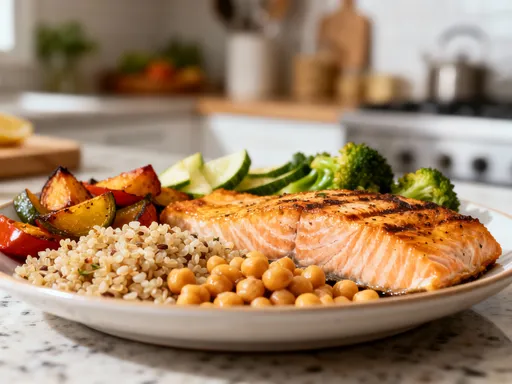
A practical way to visualize balance is the plate method: fill half your plate with non-starchy vegetables, one-quarter with lean protein, and one-quarter with whole grains or starchy vegetables. Add a small portion of healthy fat, such as avocado, olive oil, or nuts. This simple framework removes guesswork and makes healthy eating accessible. For example, a balanced dinner might include grilled chicken, roasted broccoli and bell peppers, a serving of brown rice, and a drizzle of olive oil. A balanced breakfast could be Greek yogurt with chia seeds, mixed berries, and a sprinkle of granola. These meals are not only nutritious but also satisfying and enjoyable.
Real Food, Real Results: The Shift That Changed My Energy and Recovery
I used to rely on convenience—frozen meals, instant noodles, and drive-thru breakfasts—because I was juggling work, family, and household responsibilities. I thought I was eating enough, but my energy would crash by mid-afternoon, and I often felt bloated and irritable. I tried cutting out carbs, then fats, then entire food groups, but each diet left me hungrier and more frustrated. The turning point came when I stopped focusing on what to remove and started asking what my body actually needed.
I began cooking simple, whole-food meals at home. Instead of sugary cereal, I started my day with oatmeal topped with almonds, flaxseeds, and blueberries. For lunch, I packed a salad with mixed greens, chickpeas, cucumbers, tomatoes, and a lemon-tahini dressing. Dinner became a consistent rotation of grilled salmon, steamed vegetables, and quinoa. These changes weren’t extreme, but they were consistent. Within two weeks, I noticed I was sleeping more deeply and waking up without that heavy, groggy feeling. My digestion improved—bloating decreased, and bowel movements became regular. I had more stamina during my daily walks, and my mind felt sharper at work.
One of the most surprising changes was my emotional resilience. I used to reach for chocolate or chips when stressed, but as my blood sugar stabilized, my cravings diminished. I still enjoyed treats occasionally, but they no longer controlled my eating habits. I also found that cooking became a form of self-care. Taking 20 minutes to prepare a nourishing meal felt like an act of kindness toward myself. My family noticed the difference too—they had more energy and fewer colds during the winter months. This wasn’t a diet; it was a shift in how I viewed food—as fuel, as medicine, and as a way to care for myself and those I love.
Science Behind the Shift: How Nutrients Support Cellular Repair
The improvements I experienced weren’t coincidental—they were rooted in biology. Every cell in the body depends on specific nutrients to function, repair, and replicate. Vitamins and minerals act as co-factors in thousands of biochemical reactions. For example, B-complex vitamins are essential for converting food into energy and supporting nerve function. Vitamin B12 and folate play critical roles in red blood cell formation and DNA synthesis. A deficiency in either can lead to fatigue, anemia, and cognitive difficulties—symptoms that are often overlooked in busy women.
Vitamin C is another key player in repair. It’s required for the production of collagen, the structural protein that holds skin, tendons, and blood vessels together. Without adequate vitamin C, wounds heal more slowly, and skin loses elasticity. This vitamin also functions as a powerful antioxidant, neutralizing free radicals that cause cellular damage. Oxidative stress, caused by environmental toxins, poor diet, and chronic stress, accelerates aging and increases the risk of chronic disease. Antioxidants from foods like citrus fruits, bell peppers, and spinach help counteract this damage.
Minerals like zinc and magnesium are equally important. Zinc supports immune function and wound healing, while magnesium is involved in over 300 enzymatic processes, including muscle relaxation, blood sugar control, and sleep regulation. Many women are mildly deficient in magnesium due to low intake of leafy greens, nuts, and seeds. This deficiency can contribute to muscle cramps, anxiety, and insomnia. Omega-3 fatty acids, found in fatty fish and plant sources, reduce inflammation and support brain health. Chronic inflammation is now recognized as a root cause of many conditions, including heart disease, arthritis, and metabolic syndrome.
The cumulative effect of these nutrients is profound. When the body receives a consistent supply of high-quality food, it shifts from survival mode to repair mode. Cells regenerate more efficiently, the immune system functions optimally, and energy levels stabilize. This is not a quick fix but a gradual restoration of balance. Nutritional science confirms that long-term adherence to a varied, whole-food diet leads to measurable improvements in biomarkers such as cholesterol levels, blood pressure, and inflammatory markers like C-reactive protein.
Building Your Plate: A Practical Guide to Daily Balance
Creating balanced meals doesn’t require gourmet skills or expensive ingredients. It starts with a simple framework and a few practical habits. The plate method—half vegetables, one-quarter protein, one-quarter whole grains, plus a healthy fat—is easy to remember and apply at home or in restaurants. Begin by filling your plate with colorful vegetables: spinach, carrots, zucchini, bell peppers, or cabbage. These provide fiber, vitamins, and phytonutrients with relatively few calories.
For protein, choose lean options such as skinless chicken, turkey, eggs, tofu, beans, lentils, or fish. These support muscle maintenance and keep you full longer. If you eat animal products, opt for high-quality sources when possible—wild-caught fish, pasture-raised eggs, or grass-fed meat. Plant-based proteins are excellent alternatives and often come with added fiber and lower saturated fat. Whole grains like brown rice, quinoa, oats, and whole-wheat bread provide sustained energy and essential B vitamins. Avoid refined grains like white bread and white rice, which lack fiber and can spike blood sugar.
Healthy fats are essential for hormone balance and nutrient absorption. Include a small amount at each meal—avocado slices, a drizzle of olive oil, a handful of nuts, or a spoonful of nut butter. These fats help your body absorb fat-soluble vitamins like A, D, E, and K. Hydration should not be overlooked. Aim for at least eight glasses of water daily, and consider herbal teas or infused water if plain water feels boring. Limit sugary drinks, including fruit juices and sodas, which contribute empty calories and inflammation.
Meal prep can simplify the process. Set aside one hour on the weekend to wash and chop vegetables, cook a batch of quinoa or lentils, and portion out snacks like yogurt or hummus with veggie sticks. Having healthy options readily available reduces the temptation to reach for processed foods. Grocery shopping with a list focused on the perimeter of the store—where fresh produce, dairy, and proteins are located—can also support better choices. Gradual swaps, like choosing whole-grain pasta over white or sparkling water over soda, make the transition sustainable without feeling deprived.
Long-Term Healing: Making Balance a Lifestyle, Not a Diet
The most important lesson I’ve learned is that healing doesn’t happen overnight. It’s not about following a strict plan for a few weeks and then returning to old habits. True healing comes from consistency—making small, nourishing choices day after day, even when life gets busy. There will be days when you eat out, when you’re tired and order takeout, or when you enjoy a piece of cake at a birthday party. That’s okay. Perfection is not the goal; progress is.
Shifting your mindset from dieting to lifelong nourishment changes everything. Instead of asking, 'What can I cut out?' ask, 'What can I add in?' More vegetables, more water, more movement, more rest. This positive framing reduces guilt and builds sustainable habits. Emotional eating is common, especially during stressful times. Rather than suppressing these feelings, acknowledge them and find alternative coping strategies—going for a walk, calling a friend, or practicing deep breathing. Food can be comforting, but it shouldn’t be the only source of comfort.
Support systems matter. Involving your family in meal planning or cooking together can strengthen relationships and improve everyone’s health. Children learn by example, and when they see you choosing whole foods, they’re more likely to adopt similar habits. Similarly, finding a friend or online community with similar goals can provide encouragement and accountability. Remember, this is not about achieving a certain look or fitting into a dress. It’s about feeling strong, clear-minded, and capable of enjoying life to the fullest.
Every meal is an opportunity to support your body’s natural ability to heal. The choices you make today shape how you feel tomorrow, next month, and years from now. You don’t need a miracle or a miracle supplement—just real food, served with care and eaten with intention. Healing is possible. It begins on your plate.